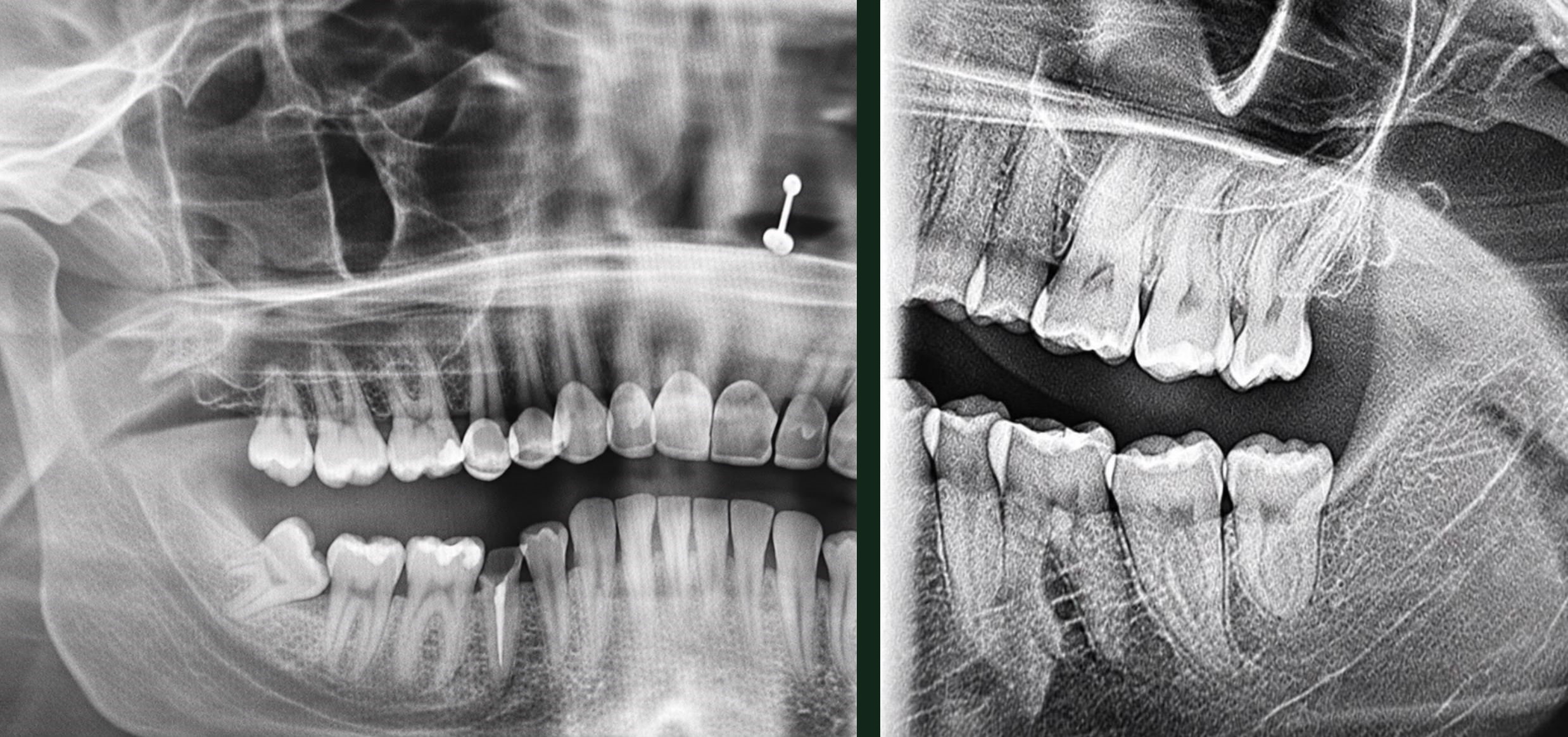
Coronectomy vs Wisdom Tooth Removal: When Is Leaving the Roots Safer?
Wisdom teeth can sometimes cause pain, swelling, infection, or damage to neighbouring teeth. However, removing them is not always straightforward, particularly when the roots lie close to the inferior alveolar nerve, which supplies sensation to the lower lip and chin. At Art of Dental Care in Chester, understanding the difference between a coronectomy and complete wisdom tooth removal can help patients make informed decisions about their oral health.
What Is Wisdom Tooth Removal?
Complete wisdom tooth removal involves extracting the entire tooth, including its crown and roots. It may be recommended when a wisdom tooth is impacted, repeatedly infected, decayed, or causing damage to nearby teeth.
Although this is a common dental procedure, lower wisdom teeth positioned close to important nerves can carry a risk of temporary or, rarely, permanent numbness or altered sensation in the lip and chin.
What Is a Coronectomy?
A coronectomy is a specialised procedure in which the crown of a lower wisdom tooth is removed while the roots are deliberately left in place. It may be considered when dental imaging shows that the roots are very close to the inferior alveolar nerve.
In select cases, coronectomy avoids complete extraction of the tooth roots, thus reducing the likelihood of damage to the nerves. Root retention, however, is a part of postoperative care and is monitored over a period, because the roots may shift away from the nerves.
Coronectomy vs Complete Wisdom Tooth Removal: Which Is Safer?
The choice depends on the wisdom tooth position and root condition and the state of your oral health.
If your tooth is vital, and there is no decay and the roots are fine, but extracting it can harm your nerve, then coronectomy is suitable for you. This procedure may not be for you if there is extensive tooth decay, or an infection with the roots.
The complete extraction of a wisdom tooth can be done when the roots can be easily and safely extracted or when the roots shouldn’t be left behind.
All procedures carry a certain amount of risk, like infection and pain. Pain and swelling as well as a delayed healing can happen as well. Root retention with a coronectomy may need to be addressed at a later date, when they start causing you problems, or get exposed, or get infected.
How Do Dentists Decide Which Procedure Is Right?
They start with looking at your case with a history, and by checking your mouth and dental radiographs. Often they will have to get an additional scan.
The dentist might need a CBCT scan, in certain situations, to understand better the spatial relationship between your tooth and the mandibular nerve.
Discuss Your Wisdom Teeth at Art of Dental Care, Chester
If you have troublesome wisdom teeth, understanding your treatment options is an important first step. The right approach can help protect your oral health while minimising avoidable complications.
Contact Art of Dental Care through our Contact Us page to arrange an appointment or obtain further information about wisdom tooth treatment.
Alternatively, call 01244 848421 or visit us at 1 Canal Street, Chester.