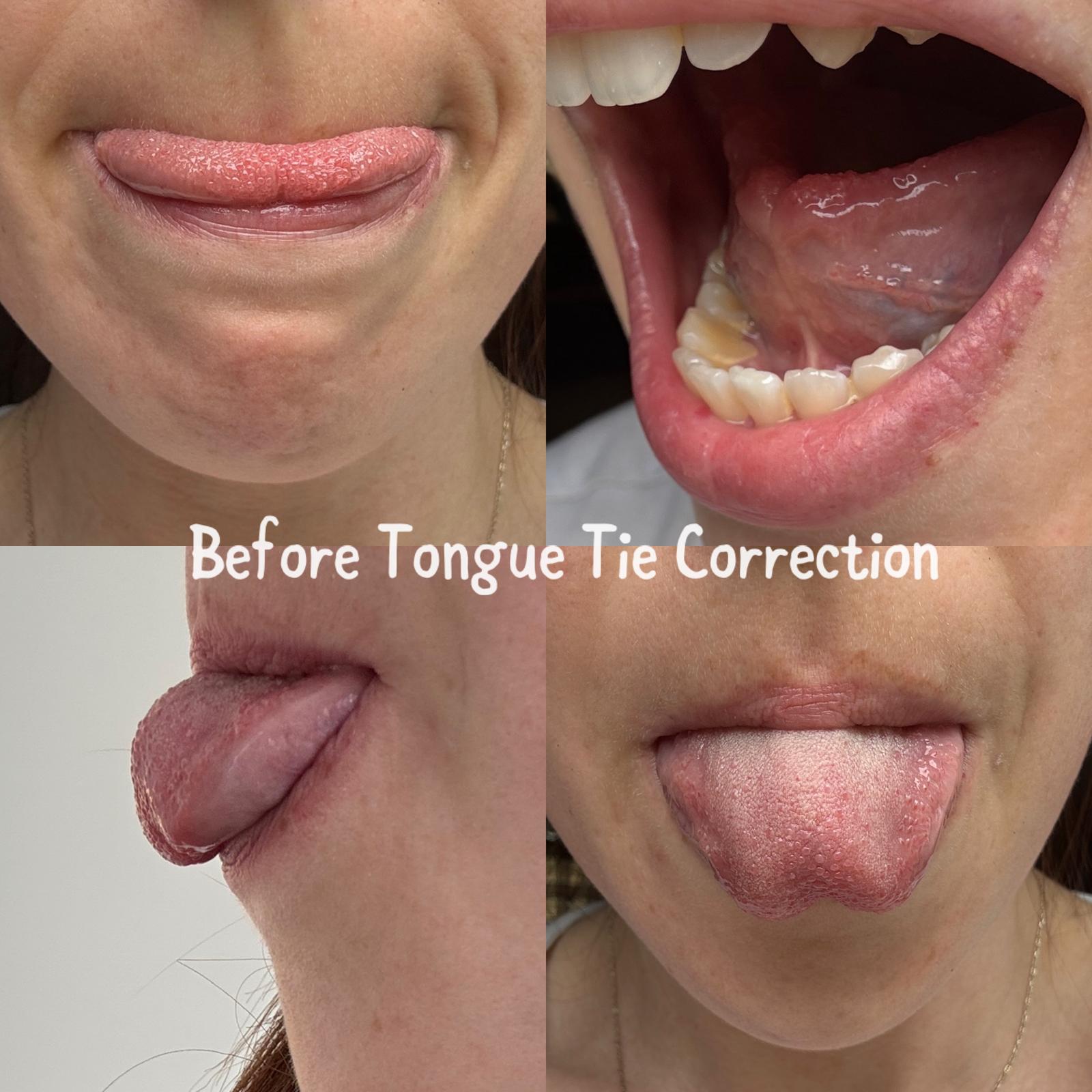
Does Tongue-Tie Always Need Treatment? A Guide for Parents and Adults
Perhaps your baby is having problems with breastfeeding, or maybe your child is struggling with some speech sounds. As an adult, you may be concerned about your limited ability to move your tongue. Tongue-tie could be the reason for any of these.
There is lots of confusing information on the internet. In fact, many tongue-tie cases require no treatment. The real concern is if tongue-tie is hindering tongue movement in a way that causes real functional difficulties.
What Is Tongue-Tie?
Tongue-tie (also called ankyloglossia) occurs when a person’s lingual frenulum (a piece of tissue at the bottom of the tongue) limits tongue movement.
Although everyone has a lingual frenulum, the tissue varies from person to person. For some people, it’s very limiting and for others it is flexible. For most people it is of little or no concern, and requires no treatment.
How Do You Know If Tongue-Tie Is Causing a Problem?
The assessment is an appraisal of tongue function and your child’s or your own symptoms. This involves looking at the difficulties you’re having, looking at whether these difficulties are explained by a tongue restriction, and considering if there might be other possible explanations and the realistic improvements you might see as a result of treatment.
A tongue-tie cannot be diagnosed from a picture. With regard to infant feeding problems, a diagnosis is made after an examination of infant feeding and an appraisal of tongue function, not by simply looking at a baby’s frenulum.
Can Tongue-Tie Affect Breastfeeding?
Restricted tongue movement can lead to difficulty latching the breast, making the breastfeeding process a challenge for both baby and mother, possibly causing feeding problems and raising weight concerns.
These problems, however, can also be attributed to many other factors. Some clinicians and midwives believe that pain and clicking noises can signify the need to treat tongue-tie, but this isn’t necessarily true.
Many other aspects, including position, attachment and your baby’s health need to be considered and assessed before feeding support is suggested. Feeding and weight gain are important aspects to monitor with your maternity/health visitor teams if you have concerns.
What Does the Evidence Say About Tongue-Tie Release?
Restricting the tongue does cause difficulties with feeding in some babies, and while tongue-tie release can potentially provide some relief, it does not promise improvement.
One of the first systematic reviews Cochrane (2017) conducted with 302 infants across five trials; for breastfeeding problems after tongue-tie release found some improvement in short-term pain experienced by breastfeeding mothers. It was hard to come to a definitive conclusion about feeding as studies provided varied results, and they couldn’t tell if the intervention increased long-term success of breastfeeding.
These studies are small in nature, and likewise, the American Academy of Pediatrics (2024) recommendations emphasize breastfeeding support as the first line of intervention, with surgery as a final option only if breastfeeding difficulties persist due to severe anatomical functional constraints that do not respond to support.
The decision should be based on your baby’s individual feeding assessment.
Does Tongue-Tie Cause Speech Problems?
Most children with tongue-tie will have typical speech. Tongue-tie might sometimes result in the inability to form specific sounds. However, it should not be the sole cause for poor or slurred speech, and there is a distinction between speech problems and late development of language.
A Speech and Language Therapist can help figure out the problem and if the tongue’s mobility is involved. Surgery is not guaranteed to improve speech.
What About Tongue-Tie in Adults?
Adults may experience restricted movement when licking their lips, moving food around the mouth or reaching particular areas with the tongue.
An assessment by an experienced oral surgeon can help establish whether the frenulum contributes to these difficulties and whether treatment could help. Evidence from infant breastfeeding studies cannot simply be applied to adults. Decisions should consider individual symptoms, examination findings and realistic treatment goals. A visible tongue-tie without functional difficulties does not, by itself, justify surgery.
What Does Tongue-Tie Treatment Involve?
Depending on the patient’s age and clinical needs, treatment may involve releasing restrictive tissue through a procedure called a frenotomy, frenectomy or frenuloplasty. Pain control and recovery arrangements vary.
Your clinician should explain the expected benefits, prognosis, alternatives and risks, including bleeding, infection, swelling, discomfort and the possibility that symptoms may persist.
Tongue-Tie Assessment in Chester
At Art of Dental Care , we offer tongue-tie release as part of our oral surgery services. If restricted tongue movement is affecting you or your child, our team can help you enquire about a suitable assessment.
For babies with feeding concerns, involve your midwife, health visitor or feeding specialist. For children with speech difficulties, a speech and language assessment is an important starting point.
You do not need to decide in advance whether treatment is necessary. The aim is to understand the problem and identify the most appropriate next step.
Contact Art of Dental Care in Chester on 01244 848421 to enquire about tongue-tie assessment and treatment.