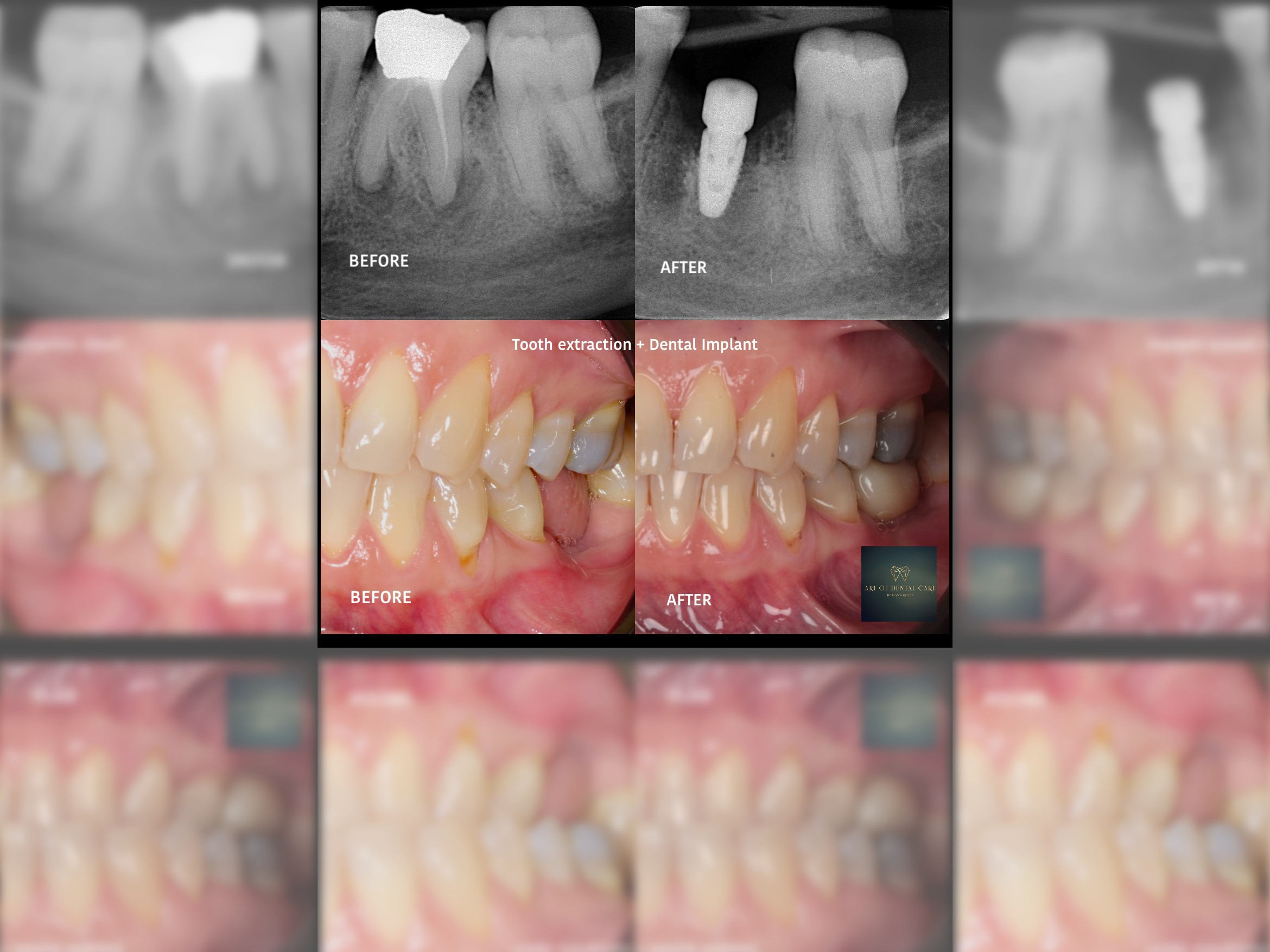
Guided Dental Implant Surgery: Does Digital Planning Make Implant Placement More Accurate?
Would you like to improve your smile with a high-tech, durable solution for missing teeth? Dental implants may be just what you’re looking for; however, making sure your implant is successful requires careful planning and a steady hand from your implant surgeon. Welcome to the world of high-tech dental implant placement. Today, digital technology has taken the guesswork out of implant placement and moved us into the age of guided dental implant surgery.
What Is Guided Dental Implant Surgery?
Placing implants using a guided procedure starts way ahead of the treatment day. It begins earlier in the planning stage where the use of 3D imaging, CBCT scans, digital impressions and intraoral scans with digital photos provide dentists with a real-life digital representation of your jawbone, teeth and other critical structures.
Using this data, the position of the implant can be carefully planned virtually in advance of the procedure. If an individual qualifies, this very same information can be used to build a surgical guide so your dentist has a “road map” during your implant placement.
Does Digital Planning Make Implant Placement More Accurate?
Digital planning has the potential to improve the accuracy of implant placement. So can digital planning really improve the accuracy of implant placement? Yes, it can improve accuracy and predictability on implant placement. Digital planning allows dentists to assess the proposed implant position in three dimensions and has the ability to analyse the bone availability, position of adjacent teeth and planned final restoration.
Guided surgery can take this digital planning into the clinical environment with far greater accuracy, although it’s worth noting, it doesn’t completely eliminate variability. The degree of accuracy achieved is determined by a variety of factors including the quality of the scans, the design and fit of the surgical guide, patient’s individual anatomy and the clinician’s experience.
What Are the Benefits for Patients?
The advantages of digital implant planning for appropriately selected patients:
-
- A more detailed assessment of the jaw and surrounding structures
- Pre-treatment planning of the position of the implant
- Improved coordination of the surgical and restorative phases
- A more predictable approach for complex implant cases
- Potentially less invasive treatment in some cases
It’s not just about the advanced technology, the power of digital planning is helping your dental team make more informed decisions, before the treatment begins.
Is Guided Implant Surgery Suitable for Everyone?
Does this mean that all implant cases are suitable for digital planning? Not all cases. Each implant case has challenges and some may be better suited to traditional implant placement, while others will benefit from digital planning and guided surgery. Your dentist will carefully plan the case based on your oral health, bite, bone levels and existing teeth and overall treatment requirement.
At Art of Dental Care in Chester, we can assess your individual needs and explain how digital planning may be used as part of your implant treatment.
How can digital planning improve your experience? Discover your individual options and how digital planning can create a more comfortable, predictable and precise surgical process. Contact us through our Contact Us page to arrange an appointment or find out more about guided dental implant surgery.